


In recent years, there has been a quiet but unmistakable shift among ultra high net worth families toward rhythms of living that value depth over speed, presence over quantity, and connection over distraction. This is not a trend born from marketing teams or social feeds. It comes from households that have watched decades pass and understand that wealth is most meaningful when it is paired with intention.
For generations, families anchored in heritage have embraced a pace that allows time to unfurl. They read slowly, walk gardens at twilight, savour meals that unfold through hours of conversation, and travel not to check boxes but to return to familiar places that hold memory and meaning. This culture of deliberate living has never truly vanished but now appears to be resonating in new ways beyond traditional bastions of lineage.

When you spend an afternoon in the library at a historic Paris residence or sitting beneath plane trees in a Provençal courtyard, you witness life being lived with a degree of calm that feels almost foreign in the modern rush. These settings are not about spectacle. They are about quality. A glass of Bordeaux in the company of friends around a centuries old table tastes better when the conversation has wound through literature, theatre, human nature, and the current moment. This is not affluent leisure. This is living with attention.
Many families have chosen to invest not in sprawling estates around the world but in experiences that offer immersion rather than instant gratification. A week in Marrakesh might be spent with a guide who has walked the Medina since childhood, sharing stories and secrets not found in guidebooks. In Kyoto, evenings may unfold in quiet contemplation in a ryokan courtyard with the sound of water and insects as companions. These are not escapes from life. They are entrances to richness that cannot be bought at a boutique or measured by likes.
There is a phrase often heard in private salons and drawing rooms: “Good taste is the result of time.” It points to the idea that discernment cannot be hurried. It is cultivated through years of exposure to craft, conversation, reflection, and refinement. A collection of paintings in a family home is meaningful not because of auction results but because each piece has been chosen with careful judgment and has lived in rooms where children and grandchildren have grown up under their watch.
The rise of slow living among those with means is also a response to the constant pull of immediacy that defines so much of contemporary culture. There is a growing recognition that real luxury is privacy, that wealth without hurry allows for deep thought, and that an unhurried life leads to stronger bonds with family and community. The great country houses of England and Ireland have always embodied this ethos. Their libraries are filled with first editions and portraits of ancestors because the walls themselves hold stories that reward quiet study.
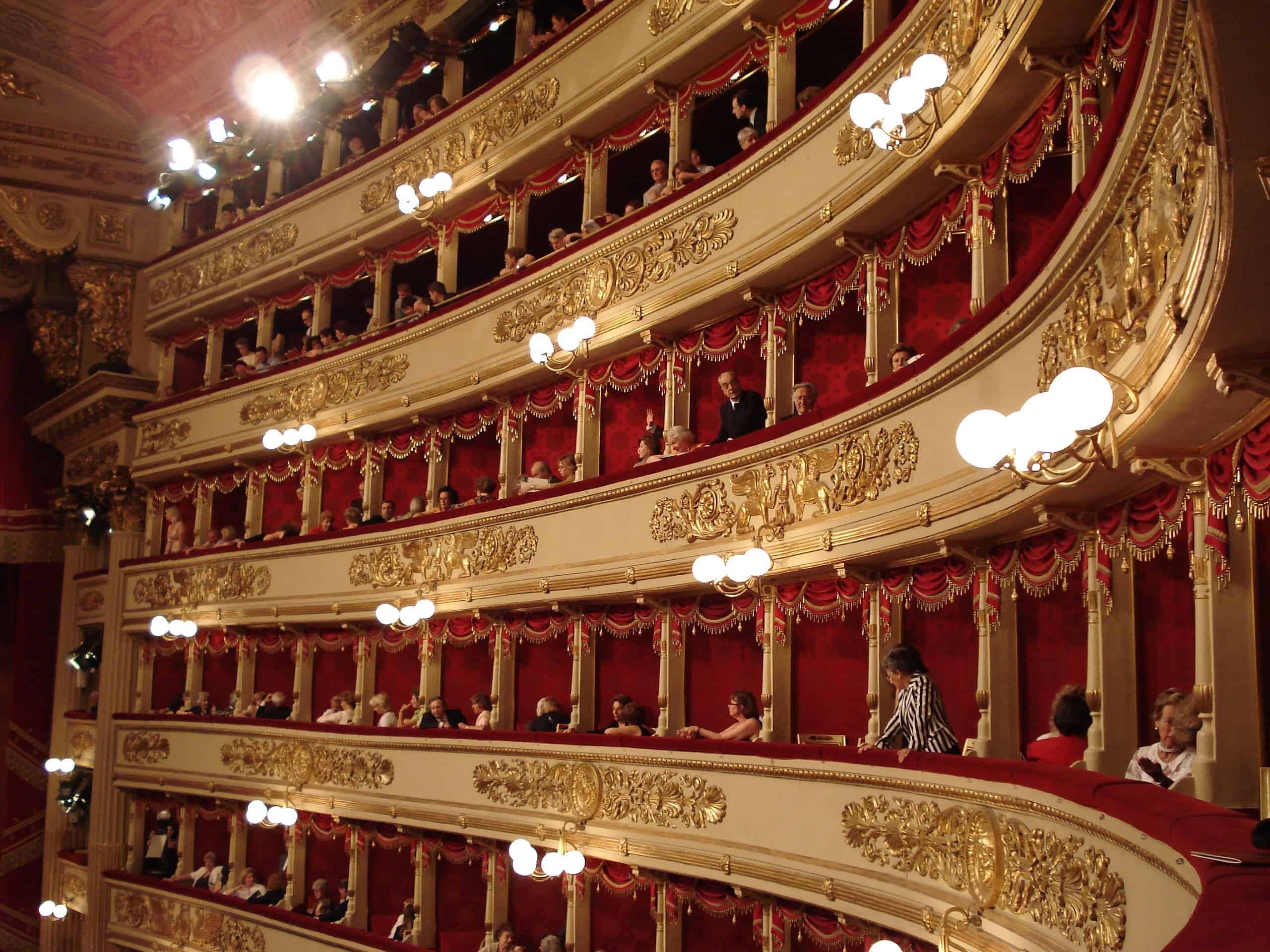
At the same time, this approach is not about withdrawal from the world. Families engaged in this manner of living often participate fully in cultural life. They attend performances at La Scala and the Bolshoi, not as box tickers but as aficionados ready to sit through every act with real curiosity about the interplay of form, voice, and emotion. They patronise small ateliers in Florence that have been producing bespoke leather goods for centuries and return season after season to nurture those relationships.
The resurgence of this pace is noticeable in the way younger generations talk about their summers in Tuscany, autumns in Kyoto, and winters in St. Moritz. They speak of long dinners in candlelit courtyards with local vintners, lectures on Japanese ceramics, and slow walks through snow-kissed villages. These are stories of meaningful engagement with place, craft, tradition, and people.
Slow living among established families is not a rejection of excellence or ambition. It is an affirmation that life, when treasured slowly and deeply, reveals its richest offerings to those who listen with patience, respond with care, and move through the world with deliberate grace.


