


Between 1869 and 1940, the global elite did not merely reside in their ancestral homes; they existed within a meticulously timed cycle of geographic migration. This era defined the Seasonal Social Circuit, a recurring journey through Europe and the Americas that transformed the map into a private playground for the titled and the extraordinarily wealthy. This was the peak of the Grand Tour tradition, evolved from a simple educational rite of passage into a year-long performance of status, leisure, and exclusive networking. For the Gilded Age elite, the luxury of time was the ultimate status symbol, allowing them to move with the seasons to ensure they were always in the right place at the right moment.
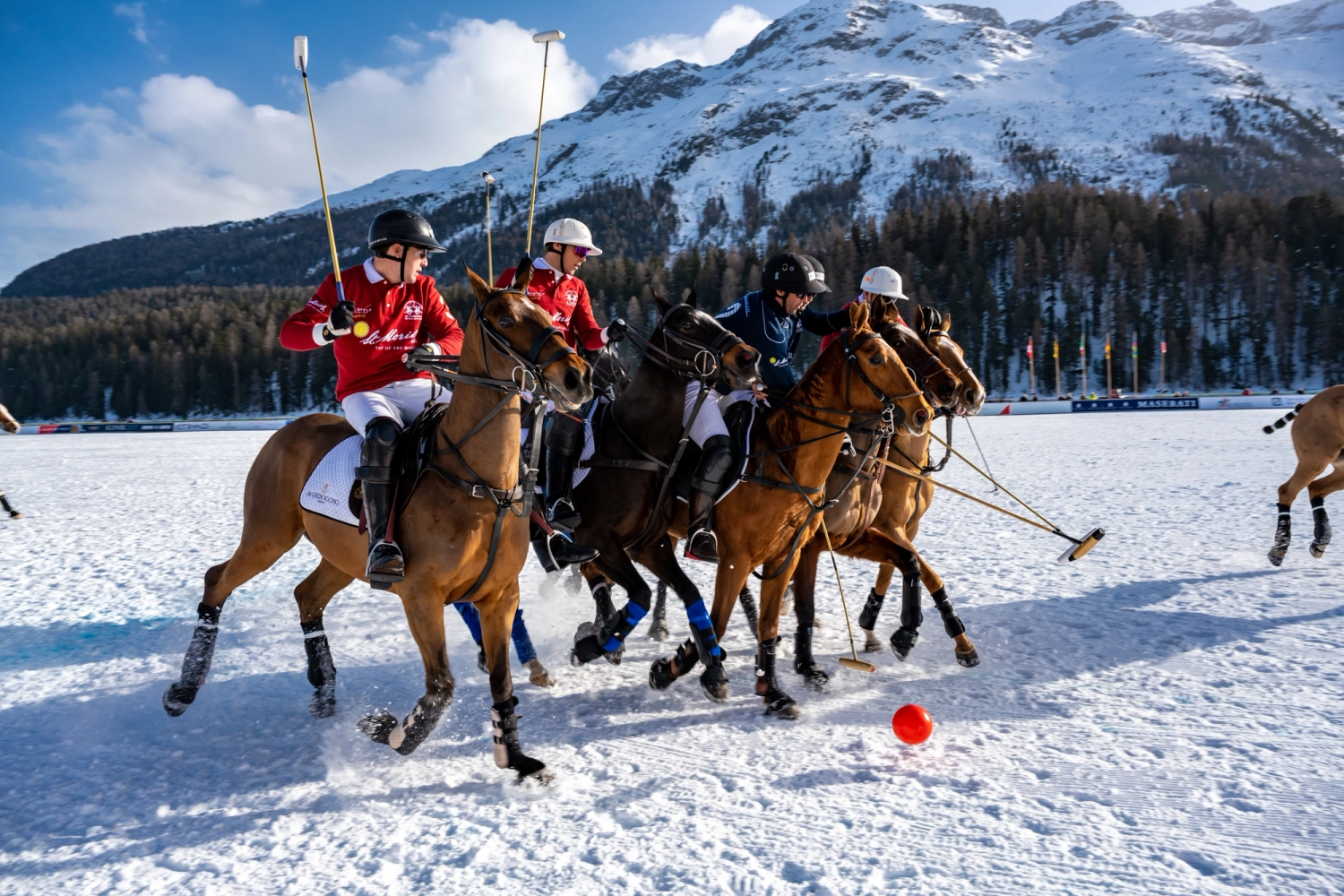
The circuit typically commenced in the winter months, where the choice was between the invigorating air of the mountains or the temperate sun of the Mediterranean. In the Swiss Alps, specifically within the sanctuary of St. Moritz winter sports, the elite pioneered the concept of the luxury ski holiday. It was here that the Badrutt family transformed a summer retreat into a winter destination, where the wealthy engaged in the daring Cresta Run or relaxed in the opulent lounges of the Palace Hotel. Simultaneously, those seeking French Riviera elegance descended upon Nice, Cannes, and Monaco. During this period, the Côte d'Azur was primarily a winter refuge where the Belle Époque luxury of grand villas and the newly established Monte Carlo Casino offered a sophisticated alternative to the harsh northern climate.
As spring bloomed, the focus shifted toward the urban centres of power, most notably for the London Season. Running roughly from April to July, this was a rigid and highly choreographed period of social activity that centred around the presentation of debutantes at Court. The London Season was a gruelling marathon of garden parties, charity balls, and sporting events like the Henley Royal Regatta. The most prestigious of these was Royal Ascot, where the convergence of High Society fashion and equine excellence reached its zenith. For a family of the Gilded Age elite, missing the Season was a social catastrophe, as it was the primary venue for securing favourable marriages and reinforcing political alliances.

By August, the heat of the city prompted a migration to the countryside for the Autumn hunting season. This phase of the circuit was defined by the "Grand House Party" on vast estates in the Scottish Highlands or the English shires. These gatherings were ostensibly about the sport of shooting or fox hunting, but they served as a bespoke lifestyle haven where the most important business and political deals were often struck behind closed doors. The Etiquette of the countryside was distinct from the city, favouring tweeds and sturdy leather over silk and lace, yet it remained no less formal in its requirements for multiple daily outfit changes and strict seating protocols.
This geographic cycle was the heartbeat of old money culture. It was a world where Continental touring was not a vacation but a social requirement. Whether they were discussing Literature and Philosophy in a Parisian salon or debating the merits of a new J-Class yacht in Cowes, the elite of 1869 to 1940 lived in a state of perpetual, elegant motion.

While the onset of the Second World War eventually fractured this delicate circuit, the legacy of these historic destinations remains the blueprint for modern luxury travel and the enduring allure of the seasonal escape.


